05 November 2026
When to replace Nissan key battery: a practical guide for drivers
Presented by @replacenissankeybatteryscope
Understanding the key symbol on your Nissan dashboard
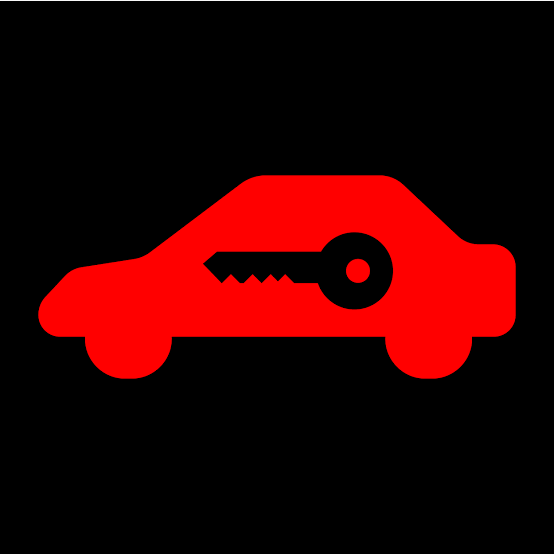
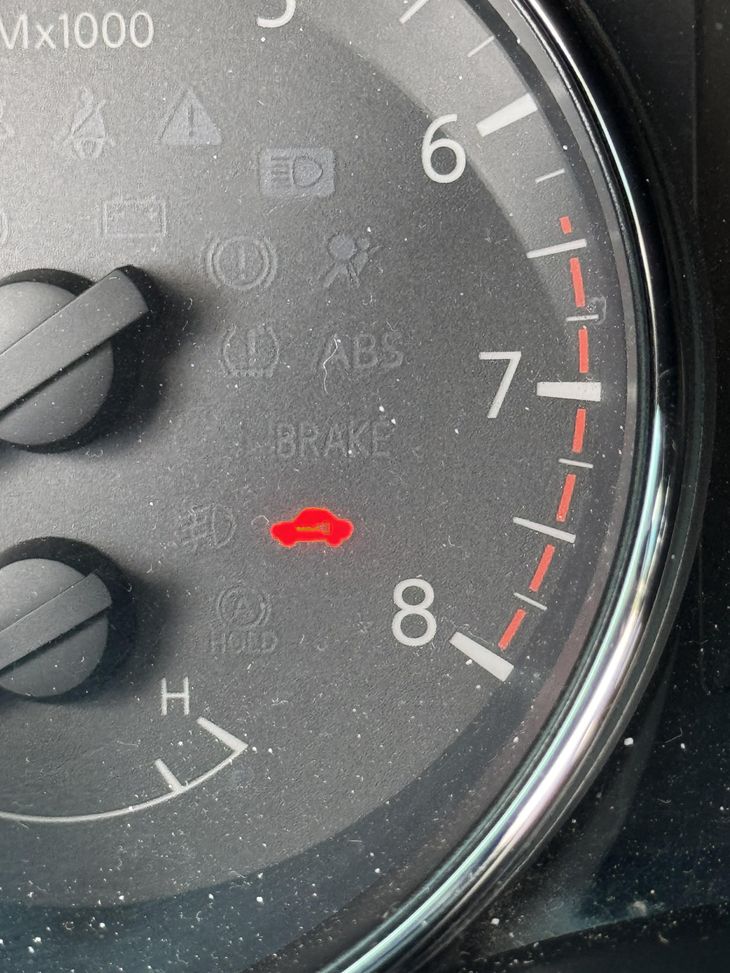
If you drive a Nissan and have noticed a small key symbol glowing on your dashboard, you are not alone. Many Nissan owners see this icon and wonder what it means. The key symbol is part of the vehicle's remote keyless entry monitoring system. It typically appears when the system detects an issue with the key fob or the keyless entry antenna. In most cases, the symbol points to a weak or dead battery inside the key fob. Rather than ignoring it, it is wise to address it promptly. A failing key fob battery can leave you unable to lock or unlock your doors, or even start the engine in some Nissan models equipped with push-button start.
The good news is that the fix is often simple and inexpensive. You just need to replace Nissan key battery in the fob, and the dashboard warning light should go away. But before you open the fob, it helps to understand what kind of battery you need and how to do the job without damaging anything. This guide walks through the common reasons behind the key symbol, how to confirm a battery issue, and the steps to replace Nissan key battery yourself.
What the key symbol actually tells you
The key symbol on a Nissan dashboard is a low battery indicator for the key fob. When the fob's battery voltage drops below a certain threshold, the car's receiver - usually the keyless entry antenna - picks up a weak signal and triggers the warning. Some Nissan models show a steady key icon, while others flash it. In either case, it is the car's way of saying the fob needs attention soon. It is not a sign of a major electrical problem, and it rarely means the key fob itself is broken. More often than not, a simple battery swap restores normal function.
Of course, there are other reasons the key symbol might appear. Electronic interference from nearby devices or a faulty keyless entry antenna can also cause the warning. But in practice, a dying coin cell battery inside the fob is the most common cause. If you have ever replaced a watch battery or a small button cell, you already have a good idea of what is involved.
Choosing the right battery: CR2032 and other options
Nissan key fobs almost always use a CR2032 coin cell battery. This is a standard 3-volt lithium battery that you can find at most hardware stores, pharmacies, and online retailers. Some older Nissan models or aftermarket fobs might use a different size, such as a CR2025 or CR2016. However, the vast majority of modern Nissan fobs, including the Gen 2 key fob, rely on the CR2032. Before you buy, check your owner's manual or open the fob to confirm the battery type. If you see a CR2032, you are set. If not, match the number printed on the old battery.
Avoid mixing brands or using expired batteries. A fresh battery from a reputable brand ensures reliable voltage and a longer lifespan. Battery corrosion is rare with lithium coin cells, but it can happen if the battery sits too long or if moisture gets into the fob. Inspect the battery terminals inside the fob for any white or greenish residue. If you see corrosion, clean it gently with a dry cloth or a small brush before inserting the new battery.
Tools and preparation
To replace Nissan key battery, you need very few tools. A small flathead screwdriver or a battery replacement tool works well for prying open the fob. Some Nissan fobs have a small notch or slot where you insert the tool. Others require twisting the two halves apart. If you have a Gen 2 key fob, it usually opens with a gentle twist or by pressing a release button. Check your owner's manual for the exact procedure for your model. Using the wrong technique can crack the plastic housing, so take your time.
You might also want a soft cloth to protect the fob's surface and a pair of tweezers to handle the small battery. Avoid touching the flat sides of the new battery with your fingers. Oil from your skin can reduce battery life. If you must touch it, hold it by the edges. Also, keep the old battery for recycling. Many stores that sell coin cell batteries accept used ones.
Step-by-step: replacing the battery
Once you have the correct battery and a suitable tool, the process is straightforward. First, locate the seam or release point on your key fob. For most Nissan fobs, you insert the screwdriver into the slot and gently twist to separate the two halves. Work slowly to avoid breaking the clips. Once open, you will see the battery sitting in a small compartment. Note the orientation: the positive side (marked with a +) usually faces up. Remove the old battery by prying it out gently. Insert the new CR2032 with the positive side facing the same direction as the old one. Press it down until it clicks into place. Then snap the fob halves back together. Test the fob by pressing a button. If the LED lights up, you are good. If not, check the battery orientation or try a different battery.

After you replace Nissan key battery, the dashboard key symbol may take a few driving cycles to clear. In some Nissan models, it goes away immediately after the car detects a strong signal from the fob. If the symbol stays on, try starting the car and driving a short distance. The system usually resets on its own. If the light persists, there might be another issue, such as a problem with the keyless entry antenna or electronic interference from a nearby device.
When the key symbol does not go away
Occasionally, a fresh battery does not turn off the dashboard warning light. This can happen if the battery voltage is inconsistent, if the fob's contacts are dirty, or if the fob itself has developed a fault. First, check the battery terminals inside the fob. Make sure they are clean and that the battery sits snugly. A loose battery can cause intermittent contact. If the terminals look corroded, clean them with a little rubbing alcohol on a cotton swab. Let them dry fully before reassembling.
Another possibility is that the key fob has lost its pairing with the car. Some Nissan models require a resynchronization procedure after a battery change. The method varies by model, but often involves pressing a sequence of buttons on the fob or holding it near the start button. Your owner's manual or a Nissan service center can guide you through the pairing steps. If the fob still does not work, it may be time to replace the fob itself. However, that is rare. Most of the time, a simple battery swap solves the problem.
Preventing future key symbol warnings
To avoid being caught off guard by the key symbol, get into the habit of replacing the battery every year or two, even if the fob still works. A dying battery can cause intermittent issues, like the car not recognizing the fob at the worst moment. Keeping a spare CR2032 in your glove box or wallet can save you a headache. Also, store your key fob away from extreme heat or moisture. High temperatures can shorten battery life, and moisture can cause corrosion on the terminals.
If you use multiple key fobs for your Nissan, check each one separately. A weak battery in a spare fob can also trigger the dashboard warning light, especially if the car detects that fob periodically. Some Nissan models allow you to disable a specific fob through the settings, but the easiest fix is to replace the battery in every fob you own.
Final thoughts
The key symbol on your Nissan dashboard is not something to panic over. It is a helpful reminder that your key fob needs a fresh coin cell battery. With a CR2032 and a few minutes, you can replace Nissan key battery and get back on the road without a trip to the dealer. Understanding how the remote keyless entry system works, and what the battery terminals and keyless entry antenna do, gives you confidence to handle this small but important maintenance task yourself. Keep your owner's manual handy, and if you ever get stuck, a Nissan service center can help. But for most drivers, this is a simple DIY fix that keeps your key fob working reliably.